
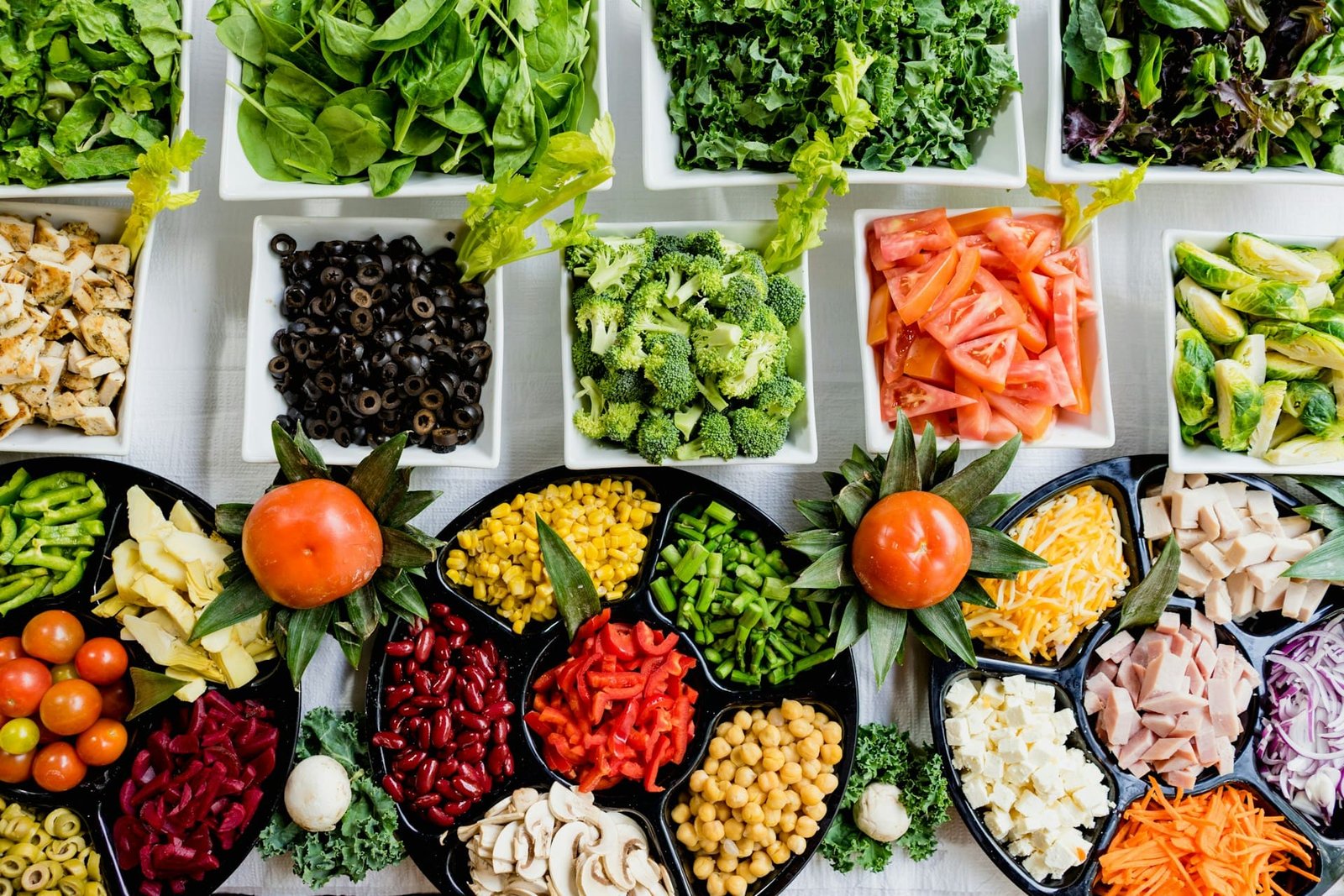
Food is much more than just a way to satisfy hunger or a routine of counting calories. It is the most important building block for every cell in our body. What you put on your plate directly affects the rate at which your tissues regenerate, the condition of your nervous system and your body’s ability to cope with everyday stress.
For the body to function like a perfectly tuned machine, it needs the right “fuel”. Here’s how a balanced diet affects your health:
- Recovery of muscles and ligaments: High-quality protein (meat, fish, eggs, pulses) is crucial for strengthening the muscular system and promoting the rapid healing of micro-injuries following physical exertion or medical procedures.
- Natural ways to reduce inflammation: Healthy fats (such as omega-3, found in fish, nuts and olive oil) act as a natural lubricant for the joints. They help to reduce inflammation in the body and alleviate chronic pain.
- Stable power without fluctuations: Instead of fast-acting carbohydrates and sugar, which provide a sharp but short-lived burst of energy, wholegrain foods and vegetables ensure a steady release of energy. This helps prevent you from feeling exhausted in the middle of the working day.
- Cleansing and nourishing the tissues: Fibre, which is abundant in fresh vegetables and greens, acts as a natural “broom” for the digestive system, improving the absorption of all the essential vitamins and trace elements.
The main rule: A healthy diet doesn’t have to be complicated, strict or based on harsh restrictions. The foundation of good health lies in simple, whole and natural foods that provide your body with the energy it needs to live life to the full and stay active.
Start with a conversation, not with a procedure
During the consultation, we’ll assess your condition, select the appropriate techniques and draw up a programme, including what to do at home between sessions.